
How to Create Highly Targeted Ad Copies That Convert (Step-by-Step Guide)
Creating ad copies that attract clicks but don’t convert is one of the biggest challenges in digital advertising. Highly targeted ad copies focus on the right audience, the right message, and the right intent, resulting in better engagement, lower ad costs, and higher conversions.
This guide explains how to create highly targeted ad copies that speak directly to your ideal customer and drive real results.
1. Understand Your Target Audience Deeply
The foundation of every successful ad copy is a clear understanding of the audience.
Before writing a single word, identify:
-
Who your ideal customer is
-
What problem they are facing
-
What solution they are searching for
-
What motivates them to take action
Highly targeted ads talk to one person, not everyone.
2. Match the Ad Copy With User Intent
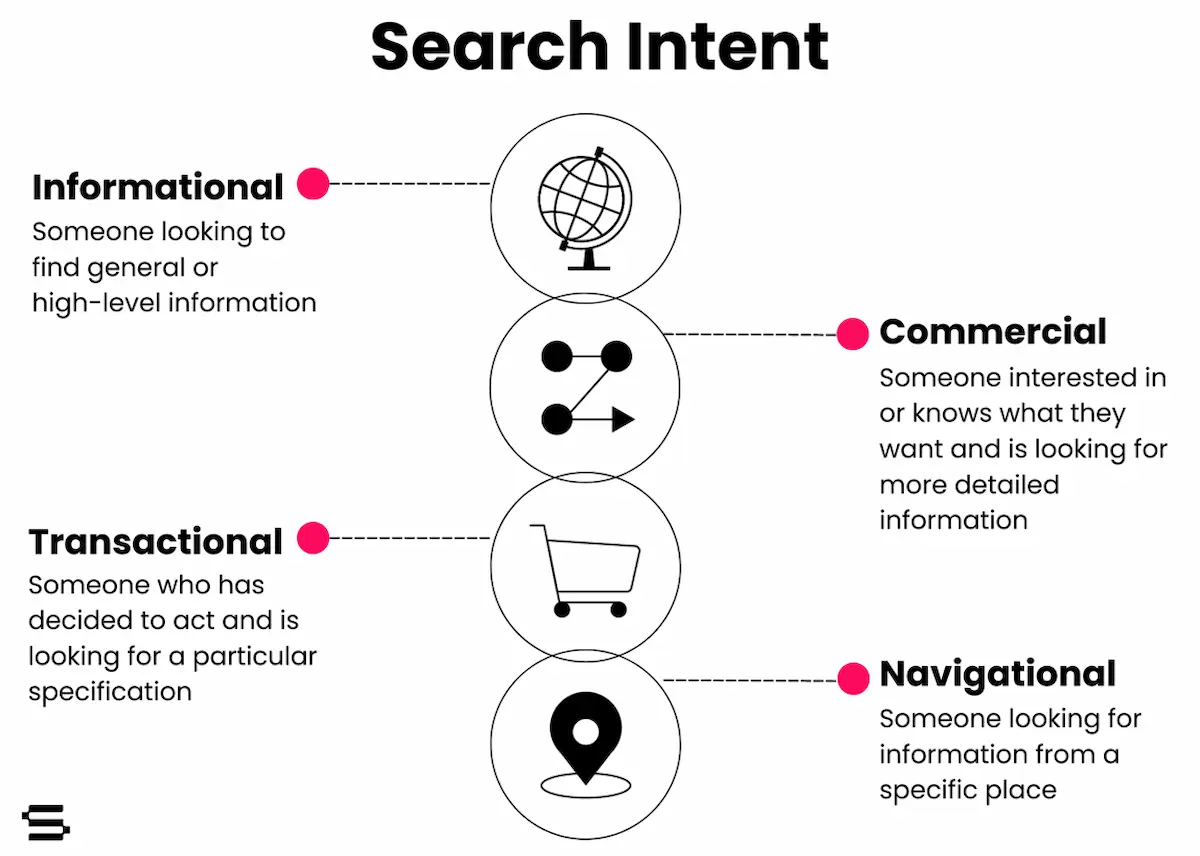
Effective ad copies align perfectly with what users are looking for.
Types of user intent:
-
Informational (learning phase)
-
Commercial (comparing options)
-
Transactional (ready to buy)
For example:
-
Awareness ads educate
-
Consideration ads build trust
-
Conversion ads push action
Matching intent improves relevance and conversion rate.
3. Focus on One Clear Pain Point
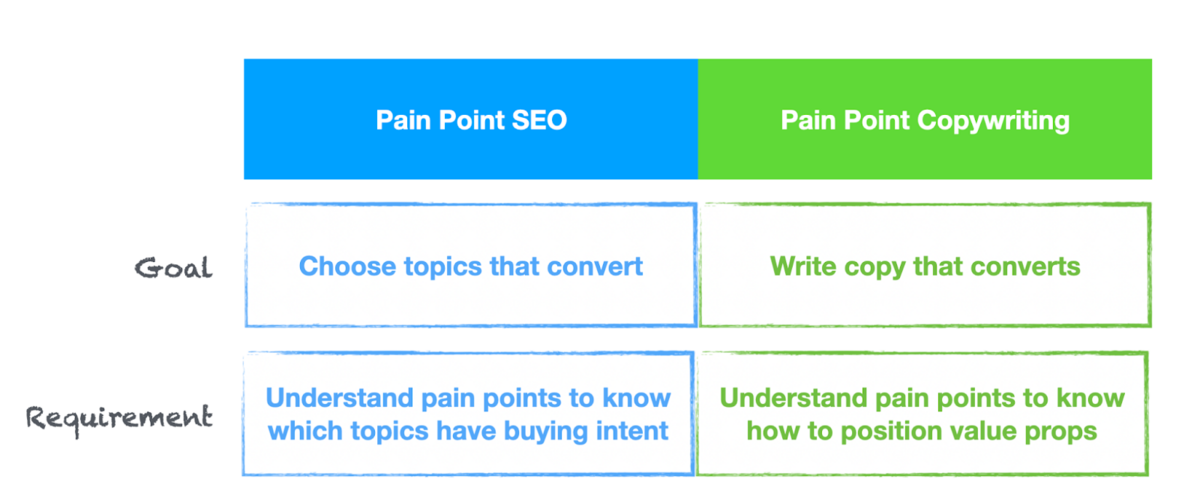
Generic ads fail because they try to solve too many problems at once.
Strong ad copies:
-
Highlight one specific problem
-
Make the user feel understood
-
Present a clear solution
Example:
Instead of “Grow your business online”
Use “Struggling to get quality leads from your ads?”
Specific pain points attract qualified clicks.
4. Use Simple, Clear, and Conversational Language
Highly targeted ads sound natural, not salesy.
Best practices:
-
Write like you speak
-
Avoid complex jargon
-
Keep sentences short
-
Make it easy to scan
Clarity builds trust faster than clever wording.
5. Highlight Benefits, Not Just Features
Users care more about outcomes than technical details.
Feature:
“Advanced targeting options”
Benefit:
“Reach people who are already looking for your service”
Always answer the question: What’s in it for the user?
6. Use Emotional Triggers Wisely
Emotion drives action more than logic.
Common emotional triggers include:
-
Fear of missing out
-
Desire for growth or success
-
Need for security
-
Relief from stress
Use emotions ethically to connect, not manipulate.
7. Add Strong and Clear Call-to-Action (CTA)
Even the best ad copy fails without a clear CTA.
Effective CTAs:
-
Get Free Consultation
-
Book a Demo
-
Download Free Guide
-
Start Your Free Trial
Your CTA should clearly tell users what to do next.
8. Personalize Ads Using Targeting Data
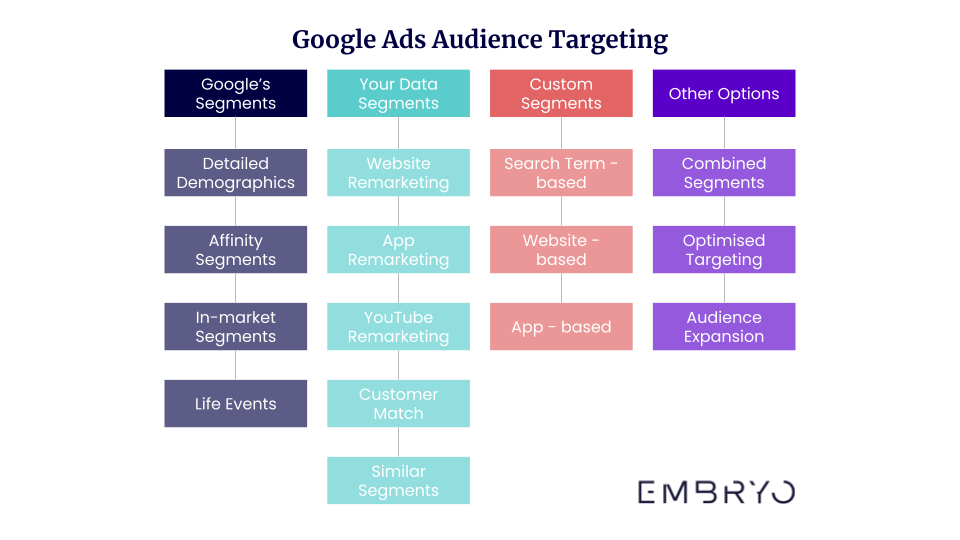
Personalized ad copies perform significantly better.
Ways to personalize:
-
Location-based messaging
-
Industry-specific wording
-
Device or platform-based copy
-
Custom audience targeting
Personalization makes ads feel relevant and timely.
9. Test Multiple Ad Copy Variations
No ad copy is perfect on the first attempt.
Test variations of:
-
Headlines
-
CTAs
-
Pain points
-
Ad descriptions
Data-driven testing helps identify high-performing messages.
10. Analyze Results and Optimize Continuously

Tracking performance ensures long-term success.
Key metrics to monitor:
-
Click-through rate (CTR)
-
Cost per click (CPC)
-
Conversion rate
-
Cost per lead
Optimize underperforming ads and scale what works.
Examples of Highly Targeted Ad Copy
Example 1:
Struggling to get leads from your website? Our data-driven ads help businesses generate qualified inquiries within weeks.
Example 2:
Stop wasting money on ads that don’t convert. Get a free strategy call and see what works for your business.
Final Thoughts
Creating highly targeted ad copies is about understanding your audience, addressing real problems, and delivering clear value. When your ad message matches user intent and emotion, conversions happen naturally. According to HubSpot, conversion-focused ad copy techniques can significantly improve click-through rates and ROI when targeting the right audience.
With consistent testing and optimization, targeted ad copies can significantly improve ad performance and ROI